
The Man Who Lives Writes the Holiday: How Survivors Write History and How We Reclaim Our Minds
Four centuries after the Gunpowder Plot, the fireworks on November 5 hide a quieter political invention: how survivors fuse their bodies to a cause. As fellow travelers and liberation technologists, we can look past the algorithmic noise, understand the history, and reclaim our peace through open-source tools.
The film this post is built around, "The man who lives writes the holiday," is in the cutting room. It will appear at the top of this page when it is finished, with its narration as text. The essay is here today.
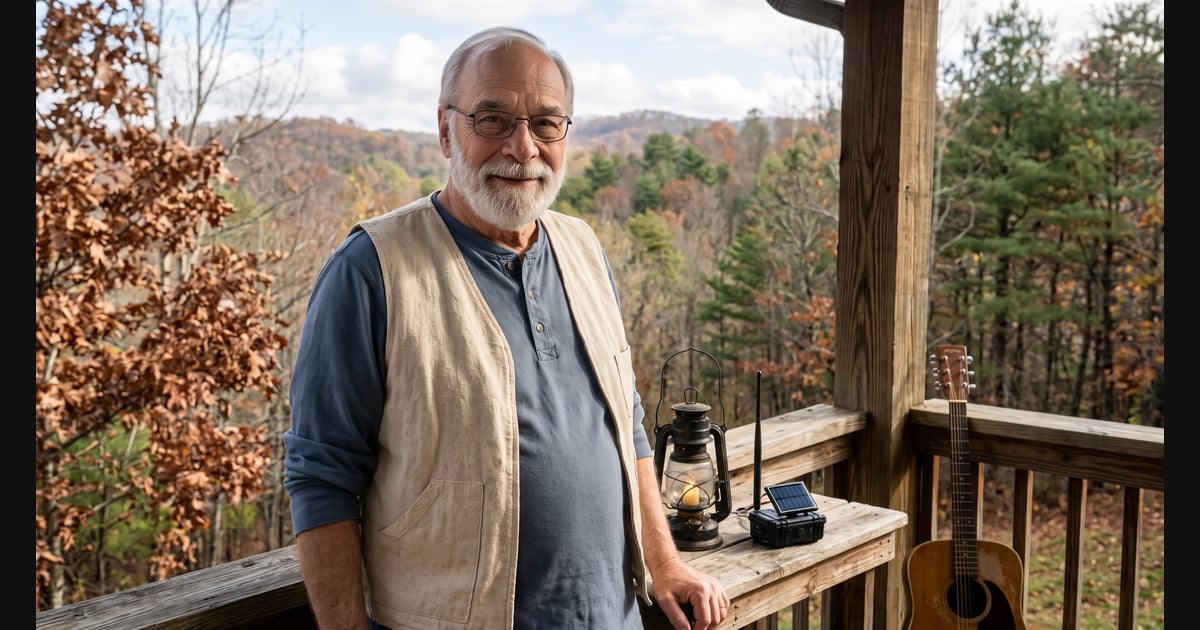
I woke up before dawn this November fifth listening to a warm, steady rain tapping against the windowpane. In the kitchen, I stirred a pot of slow-cooked oats with toasted walnuts—nothing fancy, just honest, home-cooked fuel after eight solid hours of sleep. Since the morning air is a surprisingly mild sixty-three degrees and heading toward a partly sunny seventy this afternoon with a light southwest breeze, I traded my heavy wool sweater for a plain organic cotton Henley and an unbleached hemp vest. Before opening my laptop, I sat with my acoustic guitar for twenty minutes, letting a slow, steady fingerpicking pattern settle my nervous system. In recovery, we learn that how we start the morning shapes how we meet the noise of the world.
Today is Guy Fawkes Day, and I have been sitting at my workstation looking at a documentary timeline in Final Cut Pro. Back when I studied electrical engineering and repaired computers in the Army, I learned to look past the sparks on the surface to find the underlying circuit. The video essay I am working on today looks at November fifth the same way. Four hundred and twenty-one years ago, King James the First survived the Gunpowder Plot—thirty-six barrels of powder hidden beneath the House of Lords. Today, most folks only see the fireworks. But the real mechanism is much quieter. A leader survives a violent attack, fuses his physical body to his cause, and teaches the public to remember the day as proof that heaven is on his side.
James the First built an annual holiday out of that proof. Two years ago in Butler, Pennsylvania, back on the same stage twelve weeks after the attempt on his life, Donald Trump stood at a microphone and built a single sentence out of it, telling the crowd that an assassin had tried to silence him and his movement, and that by providence the villain failed. Now, as any good systems architect will tell you, we have to keep our data clean: a thirteen-man regime-change conspiracy in 1605 is not the same thing as a lone gunman on a roof. Yet what lines up across four centuries is what the survivor does next—three simple steps: survives, fuses, remembers. When a leader fuses their personal survival with a collective identity, any questioning of the leader starts to feel like an attack on the people themselves.
There is an older answer to that move, and it belongs to no party. The survivor's claim is that heaven stood with one man on one day. The Gunpowder sermons said it of James, the Butler sentence says it of Trump, and whoever survives next will say it again, from whichever side he stands on. The liberation theology lens I bring to this work reads providence the other way around: the image of God is in every person, not in the ruler who happened to live. Providence is not a ruler's property. Once you see that, the holiday and the sentence lose their grip, and the two events can be what they were—two very different plots, and one living man doing the same thing afterward.
Over my thirty-five years in software engineering, from writing code in cubicles to sitting in corner offices as a CTO, I watched technology shift from simple tools into massive engines of persuasion. Today, proprietary social media algorithms act like dry kindling for that old historical spark. They take human trauma—our deep need for safety and belonging—and spin it into outrage to keep our eyes glued to the screen. That is the rage machine, and it fuses our wounds to a political identity the same way a survivor fuses his body to his cause. I wrote about it, and about the trauma-informed design that answers it, in The Architecture of Resistance. As a Liberation Technologist, I believe we do not have to let corporate black boxes hijack our empathy. We can choose open-source tools and decentralized networks like the AT Protocol on Bluesky, Nostr, or even tiny solar-powered Meshtastic radio nodes that let neighbors talk without a billionaire middleman. Just like the mycelium network under the forest floor outside my door, open protocols share information resiliently without a single ruler at the center.
When we step away from algorithmic feeds that reward division, we can practice what Marshall Rosenberg called Nonviolent Communication—listening for the universal human needs underneath the political armor. As fellow travelers healing from dysfunctional systems, we know that true safety never comes from fusing ourselves to a ruler or a rage machine. It comes from clear boundaries, honest connection, and keeping our own lanterns lit. Today, whether you are editing code, walking a quiet leaf-strewn trail in the hills, or sharing a warm meal with a friend, take a breath when the screen tries to rush you. Notice the quieter invention, choose open tools that respect your peace, and remember that you are the author of your own story.
Sources
- The Gunpowder Plot, November 4–5, 1605. The UK National Archives puts the powder at thirty-six barrels, found under the House of Lords on the night of November 4.
- The Butler, Pennsylvania rally of October 5, 2024, twelve weeks after the July 13 attempt.
- The Architecture of Resistance, section 7.1, on the rage machine and trauma-informed design.